Many gamers, especially those balancing busy lives with their passion for digital entertainment, frequently wonder about the security of their game libraries. The question "can Steam remove your games" is a trending concern, reflecting the significant time and financial investment players make into their virtual collections. This informational guide navigates the complexities of digital game ownership on platforms like Steam, clarifying under what specific circumstances games might be delisted from the store or, more rarely, removed from individual user libraries. We will explore Valve's policies, publisher rights, and the crucial Steam Subscriber Agreement that governs your access to titles. Understanding these factors is key to alleviating anxiety about losing beloved games due to account issues, unforeseen platform changes, or developer decisions. This resource aims to empower you with knowledge, ensuring you comprehend the true nature of digital game access and how to safeguard your gaming experiences against potential disruptions. It's about protecting your digital entertainment investment.
Will Steam permanently delete games from my account?
A: While Steam rarely deletes games permanently from individual user accounts without cause, it can happen under specific circumstances like fraud, account bans, or significant legal issues. Generally, if a game is simply delisted from the store, you still retain access.
What happens to my purchased games if a publisher pulls them from Steam?
A: If a publisher decides to remove a game from the Steam store, meaning no new copies can be purchased, you can typically still download and play the game if it's already in your library. However, online services might cease to function if the publisher shuts down servers.
Can I get a refund if a game I own is removed by Steam?
A: Refunds for removed games generally follow Steam's standard refund policy, which requires the game to be purchased recently and played for less than two hours. If a game is removed due to a developer's breach of contract, Valve might offer refunds as a goodwill gesture, but it's not guaranteed.
Is my game library safe from unexpected removal by Valve?
A: For most users, their game library is quite safe. Unexpected removals by Valve are extremely rare and typically only occur in cases of severe breaches of the Steam Subscriber Agreement, fraudulent purchases, or legal mandates. Legitimate purchases usually remain accessible.
How do Steam's EULA and Terms of Service affect game ownership?
A: The Steam Subscriber Agreement (SSA) and End-User License Agreements (EULAs) mean you don't "own" the software outright but rather license the right to use it. This license can be revoked if you violate terms, or if the publisher decides to terminate its agreement with Steam, affecting the game's availability.
What should I do if a game disappears from my Steam library?
A: First, check your account purchase history and internet connection. If the game is genuinely missing, contact Steam Support immediately with your purchase details. It could be a technical glitch, a regional restriction change, or a more serious account issue that needs investigation.
Are games purchased with a VPN more likely to be removed by Steam?
A: Yes, purchasing games using a VPN to circumvent regional pricing or restrictions is a violation of Steam's Subscriber Agreement. Such purchases can lead to the game being removed from your library, or even a permanent ban on your account, making it a risky practice.
For many of us, our Steam library is more than just a collection of games; it's a digital treasure chest built over years, filled with memories, challenges, and countless hours of fun. Whether you're a busy professional unwinding with an RPG after work, a parent enjoying a cozy co-op game with your kids, or someone refining their skills in a competitive title, your game collection represents a significant investment of both time and money. It’s no wonder then that a common, gnawing concern lurks in the back of many gamers’ minds: can Steam remove your games? This isn't just a theoretical worry; it's a practical question for adults who value their entertainment and want to ensure their digital purchases are secure. In a world where 87% of US gamers regularly play, often dedicating 10+ hours a week, and digital storefronts dominate, understanding the nuances of digital game ownership is more crucial than ever.
The idea of losing access to a game you’ve paid for, downloaded, and perhaps even poured hundreds of hours into, can be unsettling. Unlike physical media, which you truly own, digital games operate under a different model, often based on licensing rather than outright ownership. This guide aims to demystify the topic, addressing the core question "can Steam remove your games" head-on. We'll explore the various scenarios where games might disappear from the Steam store or, in rarer cases, from your personal library. We'll also provide practical advice on how to protect your investment and understand your rights as a digital consumer in 2026. Let's dive in and secure your digital gaming future.
What Exactly Does "Owning a Game" on Steam Mean?
When you "buy" a game on Steam, you're not actually purchasing the software itself in the traditional sense, like buying a physical disc. Instead, you are acquiring a license to play that game, as outlined in the Steam Subscriber Agreement (SSA). This license grants you the right to download, install, and play the game on your Steam account, subject to the terms and conditions set by Valve and the game's publisher. It's a fundamental distinction that shapes how games can be managed on the platform. This licensing model is standard across most digital storefronts, from console platforms to mobile app stores, reflecting the shift from physical to digital distribution.
This means your access is tied to your Steam account and adheres to the platform's rules. While this might sound restrictive, for the vast majority of legitimate users, it provides a stable and reliable way to access a massive library of games, updates, and community features. It also enables benefits like cloud saves and easy reinstallation across multiple devices, which are highly valued by busy gamers who need flexibility. Understanding this licensing structure is the first step to comprehending why and how games might be affected by platform or publisher decisions.
Can Steam Delist or Remove a Game From Its Store?
Yes, Steam can absolutely delist or remove a game from its store. This happens with some regularity, though it doesn't mean the game is deleted from existing player libraries. Game delistings occur for various reasons, often stemming from publisher decisions, licensing agreements expiring for music or intellectual property within the game, or a developer/publisher going out of business. For instance, games that rely on licensed music tracks might be delisted once those music rights expire, preventing new sales. Another common scenario is a game's sequel or remastered version being released, prompting the original to be pulled from sale.
In other cases, developers might choose to remove their own titles if they no longer wish to support them, or if there are legal disputes between the developer and publisher. While these delistings can be disappointing for prospective buyers, they are a fairly normal part of the digital marketplace lifecycle. It's a reminder that the digital storefront is dynamic, constantly evolving with new releases and sunsetting older titles, much like any retail environment.
If a Game Is Delisted, Can I Still Play It If I Already Own It?
Generally, yes! If a game has been delisted from the Steam store but is already in your library, you can typically still download, install, and play it. The delisting primarily affects new purchases, preventing others from buying the game going forward. Your existing license, granted when you purchased the game, usually remains valid. This is a huge relief for many gamers who dread losing access to cherished titles they've already invested in. Imagine putting hundreds of hours into a single-player RPG like Elden Ring, only for it to vanish – thankfully, that's not how delisting works for owned titles.
However, there are a few caveats. If the game heavily relies on online servers maintained by the developer or publisher, and those servers are shut down, then the online multiplayer components or even parts of the single-player experience that require an internet connection might become unplayable. Additionally, if a delisted game receives no further updates, it might eventually run into compatibility issues with newer operating systems or hardware. But for most single-player, offline-capable games, a delisting doesn't revoke your existing access.
Under What Circumstances Might Steam Remove a Game From *My* Library?
While delisting from the store is common, a game being removed directly from your personal Steam library is a much rarer and more serious event. This typically only occurs under very specific and severe conditions, primarily related to your account's conduct or legal mandates. Here are the main reasons:
- Fraudulent Purchases: If a game was purchased using stolen credit card information, a revoked payment method, or other fraudulent means, Steam will remove the game from your library once the fraud is detected and rectified. This is a protective measure against criminal activity.
- Account Ban: If your Steam account is permanently banned for violating the Steam Subscriber Agreement – for example, through cheating, abusive behavior, or engaging in illegal activities on the platform – you will lose access to your entire game library, as your license to use the software is revoked.
- Chargebacks: If you initiate a chargeback for a game through your bank or payment provider instead of using Steam's refund system, Steam may remove the game and potentially place restrictions on your account until the issue is resolved.
- Legal Mandates: In extremely rare circumstances, a legal order or injunction might compel Valve to remove specific content or games from users' libraries, though this is an exceptional situation.
- Developer/Publisher Request for DRM Revocation: While incredibly rare, in theory, a developer or publisher could request Valve to revoke licenses for a specific game across all accounts. This would likely only happen in cases of severe legal disputes or security breaches, and Valve would likely provide compensation or alternatives.
For the average, law-abiding gamer, the risk of a game being removed from their personal library is very low. It typically requires a direct violation of Steam's terms of service or involvement in illicit activities.
What Happens If My Steam Account Gets Banned?
A permanent ban on your Steam account is the most severe consequence a user can face, and it directly impacts your entire game library. If your account is banned, you will lose access to all games tied to that account, including those you have purchased. This is because your "ownership" is a license to play, and that license is contingent upon adhering to the Steam Subscriber Agreement. Breaching these terms, particularly for serious offenses like cheating in online games, engaging in phishing, selling accounts, or repeated harassment, can lead to a ban. For active gamers who regularly invest in new titles and enjoy social play on platforms like Discord (a key trend among Gen Z/Millennials), losing an entire library can be devastating.
Valve’s policy on account bans is generally strict, and appeals are often only successful if you can demonstrate the ban was issued in error. The takeaway here is to always play fair, secure your account, and avoid any activities that violate Steam’s rules. Your digital investment, often totaling hundreds or even thousands of dollars in games, hinges on your account remaining in good standing.
Are There Regional Restrictions That Can Affect My Game Access?
Yes, regional restrictions, often referred to as geo-restrictions, can definitely affect your game access on Steam. Publishers frequently implement these restrictions for a variety of reasons, including regional pricing strategies, censorship laws, local content licensing agreements, or even release date variations. For example, a game might be available in North America but not in certain European or Asian countries, or its price might vary significantly between regions to reflect local economic conditions.
If you purchase a game in one region (legitimately, not through VPN circumvention) and then move to a region where that game is not available or is subject to different censorship, your access might be affected. Steam’s system is designed to detect your geographical location. Attempting to bypass these regional restrictions using a VPN to purchase games at lower prices is a serious violation of the Steam Subscriber Agreement and can lead to the game being removed from your library, or even your account being banned. It's always best to make purchases corresponding to your actual geographical location to avoid such complications.
How Can I Protect My Steam Library and Account?
Protecting your Steam library is crucial for any gamer, especially those who balance gaming with jobs and families and don't have time for account recovery headaches. Here are key steps to safeguard your investment:
- Enable Steam Guard: This two-factor authentication system is your first and most important line of defense against unauthorized access. Link it to your mobile authenticator for the highest level of security.
- Use a Strong, Unique Password: Never reuse passwords across different online services. Create a complex password for your Steam account that combines uppercase and lowercase letters, numbers, and symbols.
- Beware of Phishing Scams: Be highly suspicious of emails or messages asking for your Steam login credentials, even if they appear to be from Steam or a friend. Always verify links and sources. Valve will never ask for your password via email.
- Don't Share Your Account: Sharing your account information with others violates the Steam Subscriber Agreement and significantly increases your risk of compromise.
- Regularly Review Account Activity: Periodically check your Steam account details for any unfamiliar logins or purchase history. You can find this information in your Steam client under Steam > Settings > Account > Manage Steam Guard Account Security.
- Keep Your Email Secure: Ensure the email address linked to your Steam account is also highly secure with a strong password and two-factor authentication, as it's often the key to account recovery.
By following these best practices, you can significantly reduce the risk of unauthorized access or actions that could jeopardize your game library. For many gamers, losing access to their account due to a hack is a more immediate and realistic threat than a game being removed by Valve itself.
What Are My Rights as a Consumer Regarding Digital Purchases on Steam?
As a consumer purchasing digital games on Steam, you have specific rights, primarily governed by the Steam Subscriber Agreement and, in the US, by general consumer protection laws. The most prominent right is the ability to request a refund for games purchased recently (within 14 days) and played for less than two hours. This policy is designed to give you a chance to try a game and ensure it runs on your system and meets your expectations.
Beyond refunds, your rights largely revolve around the expectation of continued access to the licensed content, provided you adhere to the terms of service. If a game you legitimately purchased becomes permanently unplayable due to issues directly attributable to Steam or a severe, unforeseen developer/publisher failure (beyond simple server shutdowns for multiplayer), you might have grounds for seeking recourse, though this would typically involve contacting Steam Support directly. It’s important to remember that these are licenses, not outright ownership, which means the terms of the SSA significantly define your rights and Valve’s obligations. While consumer rights bodies do advocate for digital content, the legal landscape is still evolving, emphasizing the importance of understanding the SSA.
Does Steam Ever Restore Previously Delisted Games?
It's rare, but yes, Steam can and sometimes does restore previously delisted games to the store. This usually happens when the original reason for the delisting is resolved. For example, if a game was pulled due to expired music licenses, and the publisher later renews those licenses or replaces the affected music, the game might be re-listed for sale. Another scenario could be a resolution to a legal dispute between developers or publishers that initially led to the game's removal. While not a common occurrence, it does offer a glimmer of hope for titles that fans wish to see return.
However, it's more common for games that are temporarily unavailable to return, rather than those completely removed for reasons like a studio's closure. The decision to re-list a game ultimately rests with the game's publisher and Valve, based on their agreements and the practicalities of maintaining the title on the platform. Keep an eye on gaming news outlets for any announcements regarding the return of specific beloved titles.
How Do Publisher Disputes Impact My Game Access on Steam?
Publisher disputes can unfortunately have a direct and sometimes significant impact on your game access on Steam. When a conflict arises between a game developer and its publisher, or between two publishers, the game's status on the platform can become precarious. This could lead to a game being delisted from the store, making it impossible for new players to purchase. In more extreme cases, updates for existing owners might cease, or online services for the game could be affected if the dispute leads to a breakdown in operational support.
While it's rare for a dispute to result in a game being removed from existing players' libraries (as that would typically involve Steam revoking licenses, which they are hesitant to do without strong cause), the overall experience can degrade. This highlights the complex ecosystem of digital distribution, where the agreements between various entities directly influence the availability and functionality of the games we play. Staying informed through gaming news can help you anticipate potential issues with titles caught in such disputes.
Conclusion: Safeguarding Your Digital Playtime
The question "can Steam remove your games" is complex, but the answer for the vast majority of legitimate gamers is reassuring: it’s highly unlikely for games to be removed from your personal library without a very serious reason on your part. While games can be delisted from the store, your existing access to those titles typically remains intact. The key takeaway is that understanding your digital rights and diligently protecting your account are your best defenses. In 2026, with an average gamer age of 36 and nearly 60% of US adults identifying as gamers, securing our digital leisure is more important than ever. From balancing family time with a quick match to unwinding with a deeply immersive single-player experience, our gaming moments are precious. Protect your account, know the rules, and keep enjoying your vast digital libraries.
What's your biggest concern about digital game ownership? Share your thoughts below!
FAQ Section
Can I sell my Steam games to another user?
No, the Steam Subscriber Agreement explicitly states that game licenses are non-transferable. You cannot legally sell, trade, or give away games from your Steam library to another user. This is a common point of frustration for gamers accustomed to reselling physical media.
What if a game developer goes out of business? Will I lose my game?
If a developer or publisher goes out of business, their games are often delisted from the Steam store for new purchases. However, if you already own the game, you typically retain access and can continue to download and play it, especially if it's a single-player, offline title. Online services for such games might cease if dedicated servers are shut down.
Is my game save data safe if a game is removed or delisted from Steam?
If a game is delisted or removed from the store, your local save data on your PC is usually unaffected. If the game utilizes Steam Cloud Saves, that data often remains accessible via Steam's servers even if the game is no longer for sale. However, for games that rely solely on external online servers for saves, those might be lost if the developer ceases support.
How do I check if a game I'm interested in might be delisted soon?
There's no official "delisting calendar" on Steam. The best way to anticipate delistings is to follow gaming news outlets, developer social media, and community forums. Publishers often announce licensing expirations or upcoming removals, giving players a heads-up before a game disappears from sale.
What's the difference between a game being "delisted" and "removed" from Steam?
A "delisted" game means it's no longer available for new purchases on the Steam store, but existing owners can still play it. A game being "removed" typically refers to it being taken out of an individual user's library, which is a rare event usually triggered by fraudulent activity, an account ban, or a specific legal mandate.
Steam's digital game ownership model, publisher delisting rights, user account security practices, regional access restrictions, Valve's terms of service, safeguarding your Steam library, impact of account bans on game access, consumer rights for digital purchases.
35


Remove Games From Steam Library FDOMF . Remove Games From Steam Quick Easy Guide Steps To Remove Games From Steam . How To Uninstall Delete Games All At Once On STEAM Easy Tutorial . How To Remove Or Hide A Game From Steam Steam9 768x454 . How To Permanently Remove A Game From Your Steam Library YouTube



You Can Now Permanently Remove Games From Your Steam How To Remove Or PrT7e . Remove Games From Steam Quick Easy Guide How To Remove Games From Steam Account A Step By Step Guide 1024x536 . Steam Now Lets You Remove Games From Your Account For Good You Can Now Remove Steam Games From Your Account But Be Careful When Deleting Bundled Titles . Here S How To Permanently Delete Games From Your Cluttered Steam Steam Delete . Steam April 2026 Client Update Adds Remote Downloads Management Steam Client April 2026 1024x576
/cdn.vox-cdn.com/uploads/chorus_asset/file/15610941/delete-games-steam.0.0.1449240725.jpg)
The Best Extraction Shooter Games You Can Play On Steam Right Now Most Played Games Steam 2026 2048x1167 . You Can Now Permanently Remove Games From Your Steam How To Remove Or Remove Game 1 . You Can Now Permanently Delete Games From Your Steam Library The Verge Delete Games . How To Permanently Delete Games From Steam PCWorld Steam Delete Game 100631673 Large . You Can Now Permanently Remove Games From Your Steam How To Remove Or Deletegame


Remove Games From Steam Quick Easy Guide 6 Steps To Remove A Game From Your Steam Account . How To Return A Game On Steam Complete 2026 Refund Guide Technerdo Image. How To Uninstall Steam Games With 3 Methods On Windows . How To Delete Steam Games Quick Easy Guide V4 460px Delete Steam Games Step 8 . How To Delete Steam Games Quick Easy Guide V4 460px Delete Steam Games Step 7

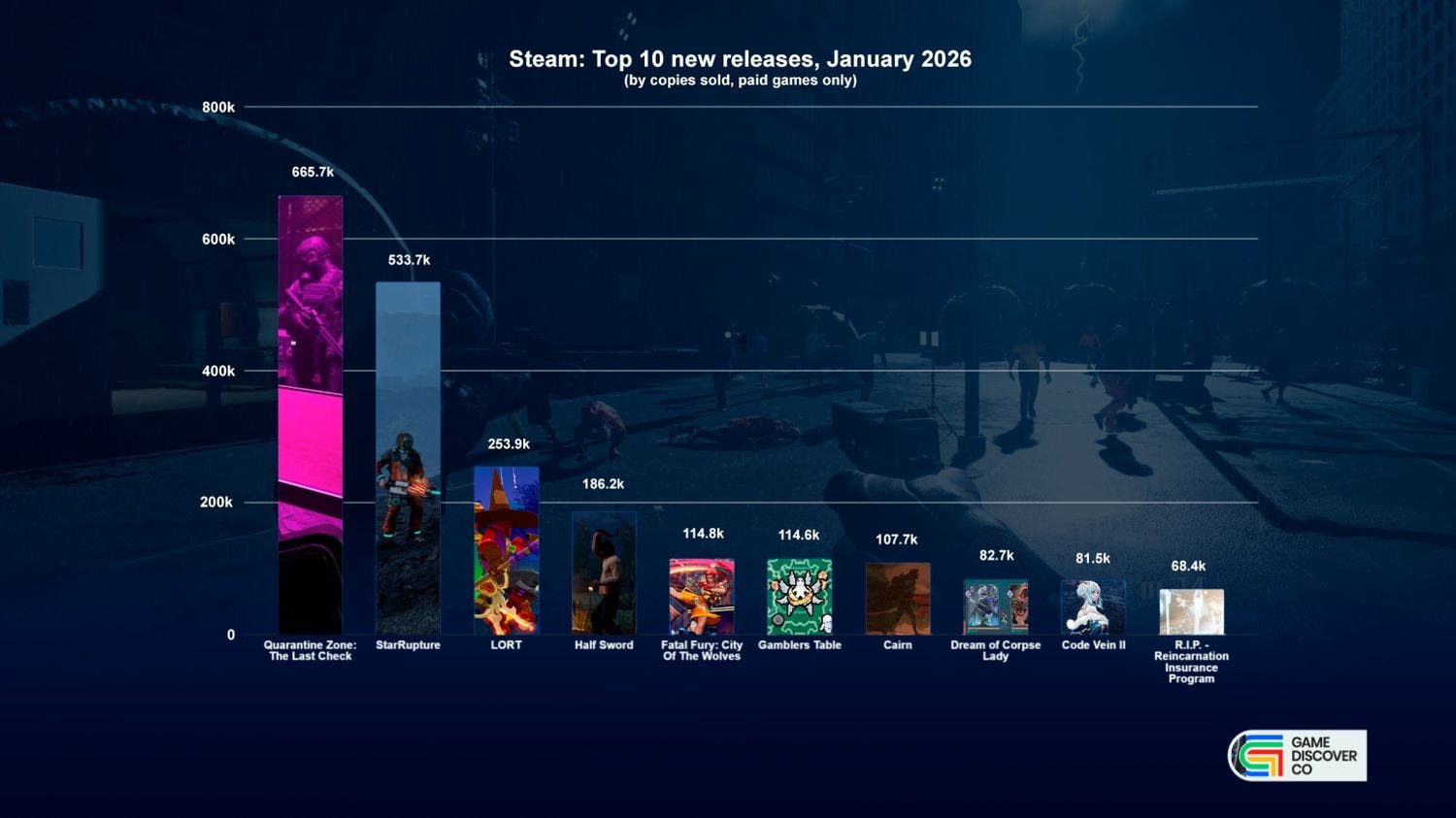

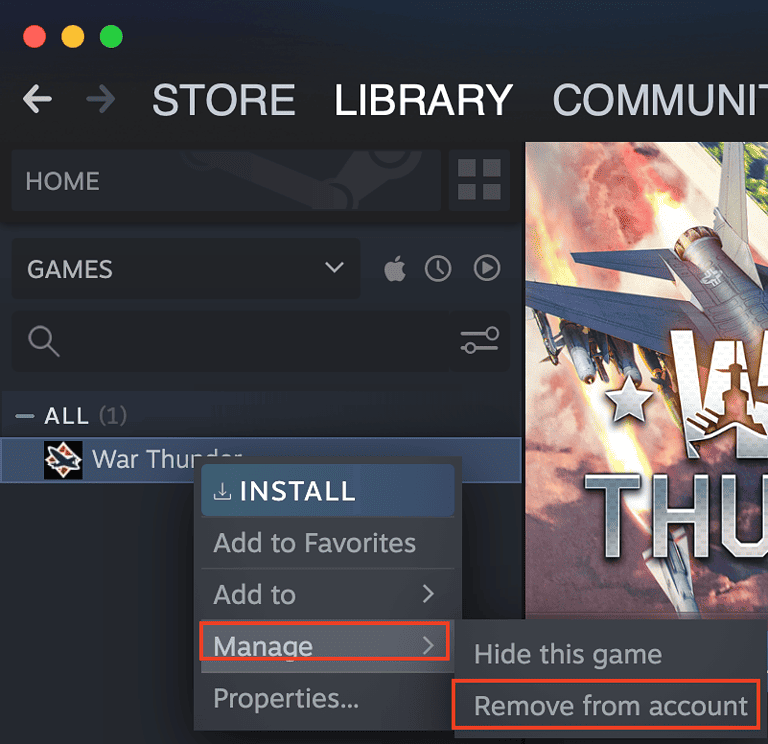
How To Delete Steam Games Quick Easy Guide V4 460px Delete Steam Games Step 17 . January 2026 S Top Selling New Steam Games Revealed 08418405 04a2 47eb B48b 1500x843 . How To Delete Steam Games Quick Easy Guide V4 460px Delete Steam Games Step 18 . How To Uninstall Steam From Your Mac And More Remove Steam Games From Account 1 768x745 . New Steam Features For 2026 Steam Features 2026 What S New Banner.webp



Steam Now Lets You Remove Games From Your Account For Good Tnw Blurple. You Can Now Permanently Remove Games From Your Steam How To Remove Or Sddefault . How To Delete Steam Games Quick Easy Guide V4 460px Delete Steam Games Step 5 . How To Quickly Uninstall Steam In 3 Simple Steps 2026 WePC WePC STEAM How To Uninstall 01 . Steam 2026 4 New Free To Play Games Available Now AllKeyShop Com Showcase Steam Free Games 2026 Indie F2p Card Roguelike Sci Fi



Nuova Steam Machine 2026 Giochi Compatibili E Data Di Nuova Steam Machine 2026.webp. How To Refund Games On Steam 2026 Refund A Steam Game YouTube . How To Uninstall Steam Games YouTube . Steam Sale 2026 Key Dates You Need To Know LevelUpTalk Steam Sale Schedule 2026 08 27 2025 7c35051e 2c22 4093 96f1. How To Delete Steam Games Quick Easy Guide Delete Steam Games Step 21