Are loud gaming PCs common? For many US gamers balancing work, family, and precious downtime, a roaring PC fan can shatter the immersive experience and relaxation they seek. This guide dives deep into why gaming PCs often produce excessive noise and, more importantly, how to tackle this prevalent issue. We explore common culprits from CPU coolers to GPU coil whine, offering practical, actionable solutions for both existing setups and new builds. Discover the latest trends in silent components and optimization techniques to achieve a peaceful, high-performance gaming environment. This resource is tailored for the average gamer, around 36 years old, who values efficient solutions, smart spending, and a serene escape into their favorite digital worlds, whether it's the latest AAA title or a cozy social game. Learn to optimize your rig for maximum enjoyment without the distracting hum, ensuring your gaming sessions are about fun and skill-building, not fan noise.
Related games- Guide to the Bhurban Roblox Group 2026
- Guide to Finding Pop Roblox Music IDs Easily
- How to Upgrade Roblox: A Gamer's Download Guide
- Guide Unblocked Games Roblox Maximize Your Play Time
- How to Make a Roblox Shirt for Free Guide 2026
Q: Is a noisy gaming PC normal?
A: While many gaming PCs can get loud under heavy load, excessive noise at all times is not normal. It often indicates that your cooling system is struggling, your components are running hotter than they should, or there's significant dust buildup. A well-configured PC should be quiet during light tasks and only spin up noticeably during intense gaming sessions.
Q: What parts make my gaming PC loud?
A: The primary noise culprits in a gaming PC are typically the CPU cooler fan, GPU fans (and potential coil whine), case fans, and sometimes the power supply unit (PSU) fan. Hard disk drives (HDDs) can also contribute to noise with their spinning platters, though SSDs are silent. Pumps in liquid cooling systems can also produce a subtle hum.
Q: How can I reduce gaming PC fan noise?
A: To reduce fan noise, start by cleaning out dust, as it impedes airflow. Then, optimize your fan curves through your motherboard BIOS or software like FanControl, so fans only spin as fast as necessary. Consider upgrading stock CPU coolers, replacing noisy case fans with high-quality, low-RPM alternatives, and ensuring good cable management to improve airflow.
Q: Are quiet gaming PCs expensive?
A: Building a quiet gaming PC doesn't necessarily mean it's expensive, but it might require more deliberate component choices. While premium silent components can add to the cost, many effective noise reduction strategies—like cleaning, optimizing fan curves, and smart cable management—are free. Mid-range quiet components offer a great balance of performance and acoustics without breaking the bank.
Q: What's the best way to cool a PC quietly?
A: The best way to cool a PC quietly involves a combination of high-quality components and thoughtful optimization. This includes choosing large CPU air coolers with slow-spinning fans, GPUs with robust cooling designs that can run passively at idle, and efficient case fans with proper airflow setup. Liquid cooling can also be very effective when using a good AIO with well-tuned radiator fans.
Q: Does cleaning my PC help with noise?
A: Yes, absolutely! Cleaning your PC is one of the most effective and often overlooked ways to reduce noise. Dust buildup acts as an insulator, trapping heat and forcing your fans to work harder and spin faster to maintain safe temperatures. Regularly using compressed air to clean heatsinks and fans can significantly improve cooling efficiency and lower noise levels.
Q: When should I consider liquid cooling for quietness?
A: You should consider liquid cooling for quietness if you have a high-TDP (Thermal Design Power) CPU that generates a lot of heat, or if you prefer a cleaner internal aesthetic. High-quality AIO (All-in-One) liquid coolers can sometimes dissipate heat more efficiently than air coolers, allowing their fans to run slower and quieter. However, ensure you choose a reputable brand with a quiet pump to avoid new noise sources.
Are loud gaming PCs common? If you've ever settled in for a much-anticipated gaming session after a long day, only to have the peace shattered by your PC sounding like a jet engine, you're far from alone. For many US gamers, particularly those balancing careers, families, and personal lives, gaming is a cherished escape – a chance to unwind, connect with friends, or simply enjoy a well-earned challenge. The last thing anyone needs is a distracting symphony of whirring fans and humming components. The reality is, yes, loud gaming PCs are remarkably common, largely due to the high-performance hardware required to run today's visually stunning titles. This isn't just an annoyance; it can impact immersion, disrupt household peace, and even mask in-game audio cues, hindering your competitive edge or relaxation. With 87% of US gamers playing regularly, often clocking 10+ hours a week, and social gaming trends continuing to dominate, a quiet environment is more crucial than ever for maintaining focus and enjoying those shared virtual moments. This comprehensive guide will help you understand why your PC might be sounding off and, more importantly, equip you with the knowledge and practical steps to achieve a quieter, more enjoyable gaming experience, without compromising performance or breaking the bank.
Why Do Gaming PCs Get So Loud?
Gaming PCs generate a lot of heat. Modern CPUs and GPUs are incredibly powerful, pushing millions of calculations per second, which inevitably produces significant thermal energy. To prevent these components from overheating and potentially damaging themselves, cooling systems—primarily fans—work overtime. The harder your components work, especially during demanding games or while streaming, the more heat they produce, and the faster your fans need to spin to dissipate that heat. This increased fan speed is the primary reason why your gaming PC can sound like it’s preparing for takeoff.
How Does PC Noise Affect My Gaming Experience and Daily Life?
Beyond the obvious irritation, a noisy PC can significantly detract from your gaming enjoyment. Imagine trying to strategize with teammates on Discord, or savoring the intricate sound design of a new open-world adventure, only to have it drowned out by a constant hum. For gamers who use their PC for work or studies, the noise can become a major distraction, impacting focus and productivity. It can also be disruptive to family members or housemates, especially in shared living spaces. Many gamers, particularly those in the average 36-year-old demographic, seek gaming as a form of stress relief and relaxation; excessive noise counteracts this entirely, turning a relaxing hobby into a noisy chore.
What Are The Main Culprits Behind A Noisy Gaming PC?
Several components contribute to PC noise. Identifying the source is the first step to mitigation:
- CPU Cooler Fans: Often the most prominent noise source, especially stock coolers struggling with high-end CPUs.
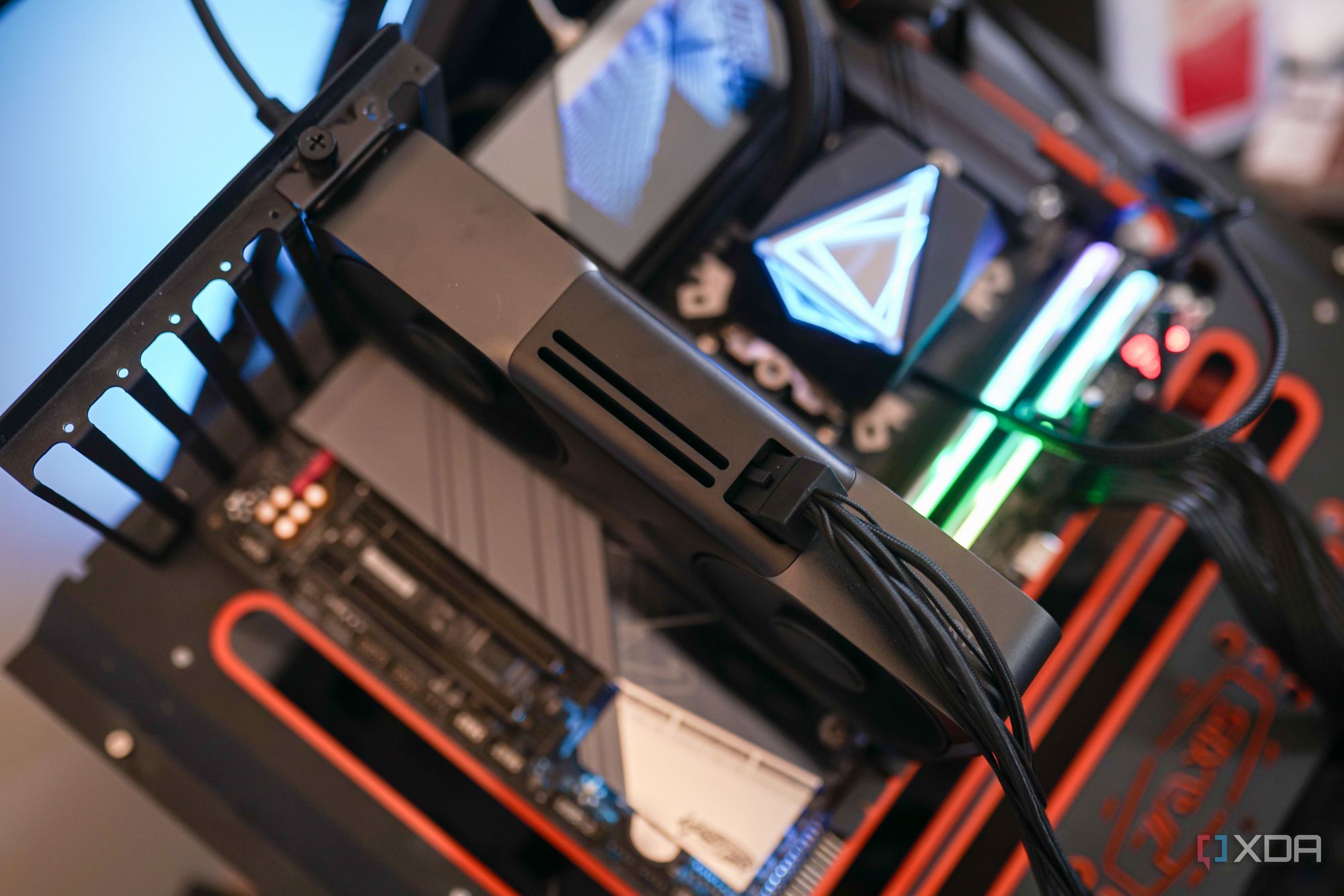
- GPU Fans: Graphics cards, especially powerful ones, have their own dedicated cooling fans that spin up under load. Coil whine, a high-pitched electronic squeal, can also emanate from GPUs.
- Case Fans: These move air in and out of your case, and poor quality or incorrectly configured fans can add considerable noise.
- Power Supply Unit (PSU) Fan: PSUs have their own fans to cool internal components. Cheaper PSUs or those under heavy load can be quite loud.
- Hard Disk Drives (HDDs): While less common with SSDs, traditional spinning hard drives can produce clicking or whirring noises.
- Pump Noise (Liquid Coolers): If you use an All-in-One (AIO) liquid cooler, the pump itself can generate a subtle hum or gurgle.
Can I Make My Existing Gaming PC Quieter Without A Full Rebuild?
Absolutely! You don't always need to overhaul your entire system. Here are actionable steps:
- Clean Your PC: Dust buildup is a noise amplifier. Dust restricts airflow, making fans work harder and louder. Use compressed air to clean fans, heatsinks, and vents regularly.
- Optimize Fan Curves: Most modern motherboards allow you to control fan speeds through BIOS settings or software. Set a custom fan curve that keeps temperatures acceptable while minimizing noise at idle and moderate loads. Aim for silent operation during light tasks and only spin up fans significantly during intense gaming.
- Replace Stock CPU Cooler: Stock coolers are notorious for being loud and inefficient. An aftermarket air cooler or an AIO liquid cooler can drastically reduce CPU noise.
- Upgrade Case Fans: Replace noisy, basic case fans with high-quality, low-RPM, high-airflow fans from reputable brands (e.g., Noctua, be quiet!, Arctic). Ensure correct airflow direction (intake at front/bottom, exhaust at top/rear).
- Address Cable Management: Cluttered cables impede airflow, leading to higher temperatures and louder fans. Tidy up cables behind the motherboard tray and ensure they don't obstruct airflow paths.
- Check for Loose Components: Vibrations can cause rattling. Ensure all screws are tight, especially on case panels, fan mounts, and component brackets.
What Components Should I Look For To Build A Quiet Gaming PC?
When building new or upgrading, prioritize these components:
- CPU Cooler: Opt for large air coolers with big, slow-spinning fans (e.g., Noctua NH-D15, be quiet! Dark Rock Pro 4) or a high-quality AIO liquid cooler (e.g., Arctic Liquid Freezer II, Corsair H-series).
- Graphics Card: Look for GPUs with robust cooling solutions, often featuring larger heatsinks and multiple fans that can operate silently or even stop spinning entirely at low temperatures. Some manufacturers like MSI, ASUS TUF, and Gigabyte Aorus often have excellent quiet-focused designs.
- Case Fans: Invest in PWM-controlled fans known for low noise and high static pressure. Brands like Noctua, be quiet!, Arctic, and Phanteks offer excellent options.
- Power Supply Unit (PSU): Choose a PSU with an 80 PLUS Gold or Platinum rating for efficiency, which translates to less wasted heat. Look for models with a 'zero RPM' or 'silent' mode where the fan doesn't spin until a certain load threshold.
- Solid State Drives (SSDs): Always prefer SSDs (NVMe or SATA) over traditional HDDs. SSDs have no moving parts and are completely silent.
- PC Case: Select a case designed for silence, often featuring sound-dampening materials on panels, optimized airflow pathways, and vibration-dampening mounts. Examples include Fractal Design Define series, be quiet! Pure Base, or Cooler Master Silencio.
How Do I Optimize Fan Curves And Cooling For A Silent Setup?
Optimizing fan curves is crucial for balancing performance and noise. Start by monitoring your component temperatures (CPU, GPU) using software like HWMonitor or MSI Afterburner. Then, access your motherboard's BIOS/UEFI settings or use software like FanControl (highly recommended for granular control) to create custom fan curves. A good strategy is to keep fan speeds very low (20-30%) when temperatures are low (idle, web browsing) and gradually increase them as temperatures rise during gaming. Aim to hit maximum fan speed only when temperatures approach their thermal limits. Test your settings under load to ensure stability and acceptable noise levels. Remember, lower temperatures extend component lifespan, but a few degrees higher might be worth it for a much quieter experience.
Are Liquid Cooling Solutions Inherently Quieter Than Air Cooling?
Not always, but often. High-end air coolers are fantastic and can be very quiet due to their large heatsinks and slow-spinning fans. However, AIO liquid coolers can sometimes offer a noise advantage by moving the heat dissipation (and thus the fans) away from the CPU, allowing for larger radiators with more surface area that can be cooled by slower, quieter fans. The pump, however, introduces its own potential noise source (a subtle hum or gurgle). The key is the quality of the specific liquid cooler and its pump, as well as fan choices. Generally, a well-chosen AIO or custom loop can offer superior cooling with less noise than an equivalent air cooler, but a budget AIO might be louder than a premium air cooler. It's about selecting quality components and proper fan configuration.
What Are The Best Practices For PC Cable Management To Reduce Noise?
Effective cable management isn't just for aesthetics; it plays a vital role in PC acoustics. Poorly managed cables obstruct airflow, creating pockets of stagnant hot air. This forces fans to spin faster to compensate, leading to more noise. Here are the best practices:
- Route Behind Motherboard Tray: Most modern cases have space behind the motherboard for cable routing. Use this to hide excess cable length.
- Use Cable Ties/Velcro Straps: Bundle cables neatly to prevent them from dangling into fan blades or obstructing vents.
- Keep Main Airflow Paths Clear: Ensure no cables block the intake and exhaust paths of your case and component fans.
- Power Supply Cables: If your PSU is modular, only connect the cables you need. This reduces clutter significantly.
- Secure Loose Cables: Even cables that aren't in the airflow path can vibrate against case panels, creating noise. Secure them firmly.
How Can Software Tools Help Manage PC Noise Levels?
Software tools are indispensable for fine-tuning your PC's acoustics. They allow real-time monitoring and adjustment without needing to reboot and enter BIOS. Here are key types:
- Fan Control Software: Programs like FanControl, Argus Monitor, or motherboard-specific utilities (e.g., ASUS AI Suite, MSI Dragon Center) let you set custom fan curves based on CPU, GPU, or even drive temperatures. This enables precise control over noise output.
- Temperature Monitoring: Tools like HWMonitor, HWiNFO, or MSI Afterburner provide critical temperature data, helping you understand when and why your fans are spinning up.
- GPU Overclocking/Undervolting Tools: MSI Afterburner is popular for GPU control. Undervolting your GPU can reduce power consumption and heat, leading to lower fan speeds and less noise, often with minimal impact on performance.
- Noise Reduction Software: While not directly silencing hardware, software like NVIDIA Broadcast or Krisp can use AI to remove background noise (including PC fans) from your microphone input, improving communication with teammates.
Is GPU Coil Whine A Serious Problem, And Can I Fix It?
GPU coil whine is a high-pitched buzzing or squealing noise that comes from the inductors (coils) on your graphics card's power delivery system. It occurs when electricity passes through them at certain frequencies, causing them to vibrate. It's generally harmless to the GPU's functionality but can be incredibly annoying. It's not a serious problem in terms of damaging your hardware, but it is a serious problem for your peace of mind. Fixing it entirely can be challenging. Here's what you can try:
- Limit FPS: Often, coil whine is most prominent when the GPU is under very high load and producing extremely high frame rates (e.g., hundreds of FPS in a menu screen). Limiting your FPS using V-Sync, G-Sync/FreeSync, or an in-game FPS limiter can often reduce or eliminate it.
- Undervolt Your GPU: As mentioned, reducing the voltage to your GPU can lower power draw and heat, which might also lessen coil whine.
- Power Supply Quality: Sometimes, a higher quality PSU with better ripple suppression can help, as coil whine can be exacerbated by inconsistent power delivery.
- RMA (Return Merchandise Authorization): If the coil whine is extremely severe and bothersome, and the GPU is still under warranty, you might be able to RMA it, though manufacturers don't always consider coil whine a defect unless it's exceptionally loud.
What Cases Are Recommended For Silent Gaming PC Builds?
Choosing the right case is foundational for a quiet build. Silent cases typically feature:
- Sound Dampening Materials: Panels lined with foam or bitumen to absorb internal noise.
- Optimized Airflow: Designed to move air efficiently with minimal obstruction, allowing fans to spin slower.
- Anti-Vibration Mounts: For hard drives, power supplies, and fans to prevent resonant noise.
Top recommendations for quiet cases include:
- Fractal Design Define Series (e.g., Define 7, Define R6): Excellent reputation for silence, clean aesthetics, and flexible layouts.
- be quiet! Pure Base / Silent Base Series: As the name suggests, be quiet! specializes in silent computing. Their cases are designed with sound dampening and airflow optimization in mind.
- Cooler Master Silencio Series: Another line specifically engineered for quiet operation.
- Lian Li Lancool 216 / O11 Air Mini (with good fan choices): While not strictly 'silent' cases, these offer superb airflow, which means components run cooler, allowing fans to run slower and quieter.
Conclusion
Navigating the world of gaming PCs means balancing raw power with user experience, and a quiet rig significantly enhances that experience. Are loud gaming PCs common? Yes, but they don't have to be your reality. By understanding the sources of noise and applying the practical solutions outlined in this guide—from optimizing fan curves and cleaning components to strategic hardware upgrades—you can transform your gaming space into a serene sanctuary. For the average gamer, around 36, who juggles life's demands and seeks a genuine escape, a quiet PC isn't a luxury; it's an investment in relaxation, focus, and pure enjoyment. Take control of your PC's acoustics and rediscover the immersive joy of gaming.
What's your biggest gaming challenge when it comes to PC noise? Comment below and share your tips!
FAQ Section
Is it normal for a gaming PC to be loud all the time?
No, it's not normal for a gaming PC to be excessively loud constantly. While fans will spin up under heavy load during gaming, at idle or during light tasks like browsing, a well-optimized PC should be relatively quiet. Persistent loudness indicates potential issues like dust buildup, inefficient cooling, or improperly configured fan curves.
What is GPU coil whine, and how do I fix it?
GPU coil whine is a high-pitched buzzing or squealing sound from a graphics card's power delivery system. It's harmless but annoying. Often, it can be reduced by limiting FPS, undervolting the GPU, or ensuring a high-quality power supply. Complete elimination can be difficult, but mitigation is often achievable.
How often should I clean my gaming PC to reduce noise?
Ideally, you should clean your gaming PC every 3-6 months. Dust accumulation on fans and heatsinks is a primary cause of increased noise and reduced cooling efficiency. Regular cleaning with compressed air can significantly help maintain low temperatures and quieter fan operation.
Do liquid coolers make gaming PCs completely silent?
No, liquid coolers don't make PCs completely silent. While they can often achieve lower noise levels than air coolers by moving heat away from the CPU to larger radiators, they still rely on fans (on the radiator) and a pump, both of which generate some level of noise. A truly silent PC is challenging to achieve.
Can I control my PC's fan speed without entering BIOS?
Yes, many software tools allow you to control fan speeds within Windows. Popular options include FanControl (a universal solution), Argus Monitor, or specific utilities provided by your motherboard manufacturer (e.g., ASUS AI Suite, MSI Dragon Center). These offer more dynamic and convenient adjustments than BIOS settings.
Does undervolting my GPU reduce noise and impact performance?
Undervolting your GPU can effectively reduce power consumption and heat, which in turn allows GPU fans to spin slower and quieter. In many cases, it has minimal to no impact on gaming performance, and sometimes can even improve stability. It's a great way to optimize for quietness without sacrificing much power.
Are there quiet gaming keyboards and mice to complete a silent setup?
Yes, for a truly quiet gaming experience, consider peripherals. Look for mechanical keyboards with 'silent' switches (like Cherry MX Silent Red or custom dampened switches) or membrane keyboards for less noise. For mice, some models offer quieter clicks, although mouse noise is generally less disruptive than PC component noise.
Common causes of gaming PC noise, impact of loud PCs on gamers' lives, practical steps to reduce fan noise, component selection for silent builds, optimizing cooling for quiet operation, managing GPU coil whine, benefits of a quiet gaming setup.
35


12 Best Compact Gaming PCs For 2026 Reviews Mill Compact Gaming Pcs 2026 Te8ov . The 5 Best Gaming PCs Of 2026 Power Performance And Gaming Top 5 Gaming Pcs 2026 Fh2q5 . 8 Best Gaming PCs For 2026 Ultimate Buyer S Guide The Creators Dream Msi X 2026.webp. Top 10 Best Desktop Computers 2026 For Home Office And Work Lenovo Legion Tower 7i 2026 High Performance Desktop Computer With RGB Lighting Featured In. 7 Best Gaming PCs Of 2026 Power Performance And Value Revealed Top Gaming Pcs 2026 1lmv2


8 Best Gaming PCs For 2026 Ultimate Buyer S Guide Best Gaming Pc 2026 The Neuralcore X.webp. Best Gaming PC Builds For 2026 Best Gaming PC Builds For 2026.webp. 9 Budget VR Ready Gaming PCs For 2026 That Won T Break The Bank Affordable Vr Gaming Builds 4kg5o . The Ultimate Gaming PC Build 2026 Guide By Xidax 1 Unnamed . 15 Best Prebuilt VR Gaming PCs For 2026 That Elevate Play VRGearGuide Top Vr Gaming Pc Picks Ef0k3


Best Prebuilt Gaming PCs In 2026 Complete Buyer S Guide After Testing Best Prebuilt Gaming PCs In 2026 Complete Buyers Guide After Testing 8 Systems . 12 Best Prebuilt Gaming PCs June 2026 Expert Tested Picks Best Prebuilt Gaming PCs 768x419 . Best Gaming PCs Of 2026 UK Best Pcs Twitter 850x478 . 8 Best Gaming PCs For 2026 Ultimate Buyer S Guide Best Gaming Pc The Apex Titan 2026.webp. 15 High End VR Ready Gaming PC Builds For 2026 That Elevate Gaming Premium 2026 Gaming Pc Builds L8j52

The 15 Best Gaming PC In 2026 Tested Reviewed Com MSI Aegis R2 AI Gaming Desktop 768x979 . 12 Best Gaming PC Under 1000 In 2026 Tested Reviewed Best Gaming PC 2 1024x576 . Gaming Desktop PC Guide 2026 Build The Ultimate Gaming Setup 2 2 3 . Why Desktop PC Prices Are Rising In 2026 And How To Still Get A Good Deal Best Gaming Desktop PC 2025 Main . 8 Best Gaming PCs For 2026 Ultimate Buyer S Guide Best Gaming Pcs 2026.webp


8 Best Gaming PCs For 2026 Ultimate Buyer S Guide Best Gaming Pc 2026 The Balanced. 12 Best Prebuilt Gaming PCs Under 1500 May 2026 Expert Reviews Best Prebuilt Gaming PCs Under 1500 . Best 4K Gaming Monitors In 2026 The Ultra Hi Res Panels I Highly . Best Gaming PCs Of 2026 UK Best Pcs Facebook . Will Gaming PCs Get CHEAPER In 2026 Gaming PC Prices RAM Prices Media

15 Best Gaming PCs Of 2026 That Will Take Your Play To The Next Level Top 2026 Gaming Pc Picks 6as75 . 10 Best High End Gaming PCs Of 2026 For Hardcore Gamers StrongMocha Top Premium Gaming Computer List X6akm . Best PC Builds For Gaming 2026 Ultimate Guide To Building Your Dream Best PC Builds For Gaming 2026 150x100 . The Best Gaming PCs In 2026 Tried And Tested CNN Underscored 41iumpyenel Sl500 . The Best Gaming PC Of 2026 Top Prebuilt Desktops Gaming Pc



5 Best Gaming PCs 2026 Gaming Net Ella Don 0oqMvhc1ntw Unsplash Scaled . Best Gaming PCs Of 2026 UK . The Gaming PC You Need To Build For 2026 Nvidia Rtx 5070 Review 15 . 14 Best Prebuilt Gaming PCs Under 2000 In 2026 StrongMocha Top Gaming Pcs Under 2000 Fgtk0 . Top 5 Best Gaming Computer Speakers In 2026 YouTube